


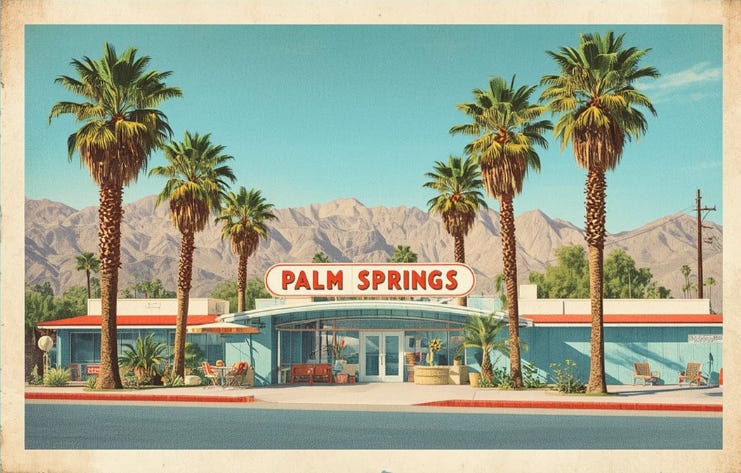
Last night I went down a rabbit hole. I do this a lot when I can’t sleep at 3 a.m., excavating information about murderous cults or ant colonies. This time it was about Palm Springs.
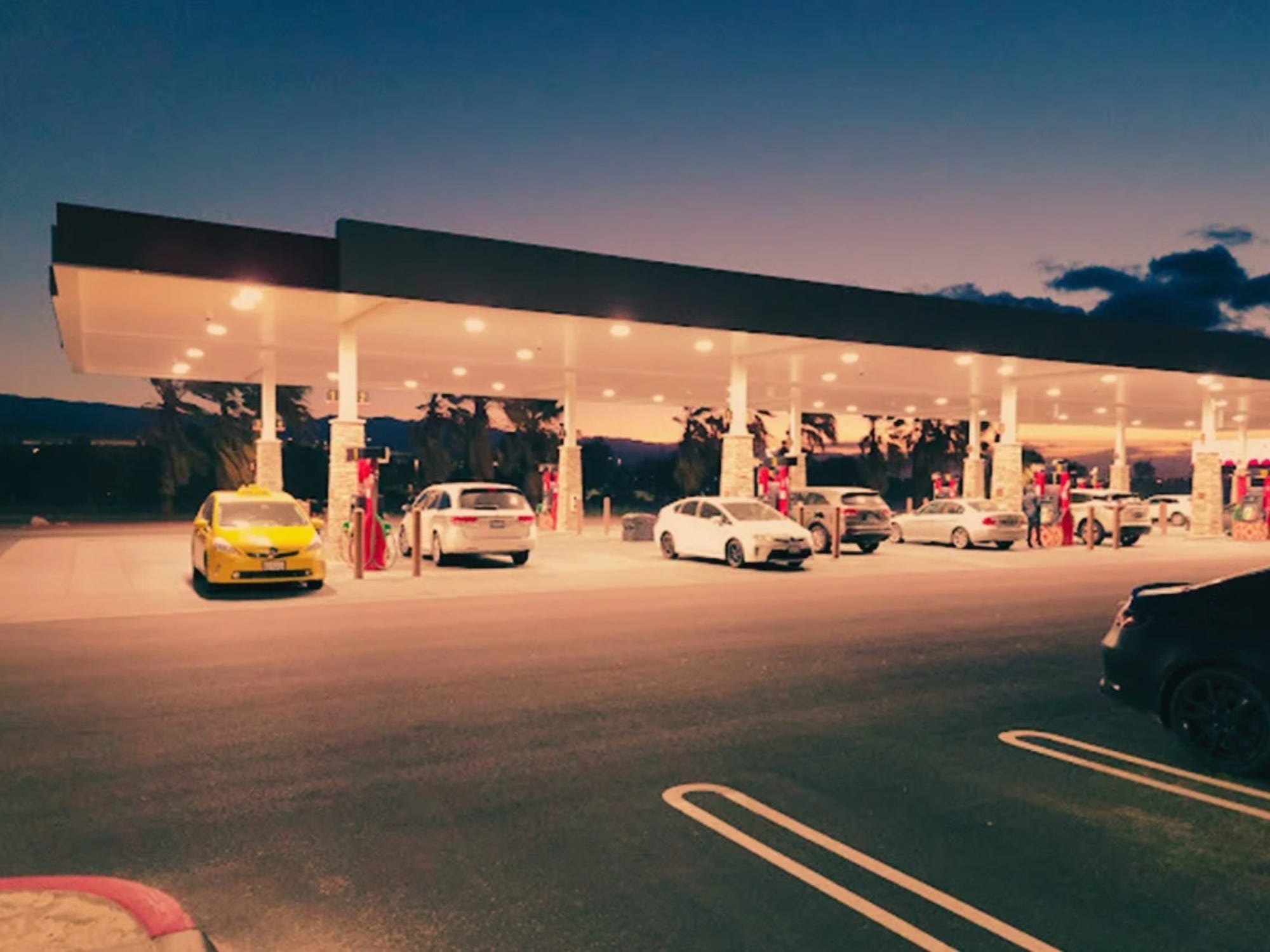
The other day I was taking my friend’s mum to the doctor and we passed a billboard announcing that an Agua Caliente gas station was opening soon. How weird, I thought. How interesting. How cool. A tribal petrol stop.
“Why are they called Agua Caliente?” I asked my friend’s mum.
“Because of the Spanish,” she said.
“But they came so much later. I mean, what was their name before that, their real Native American name, like Chumash or whatever?”
Neither of us knew.
On the way back to the house we saw the new gas station, a huge and gleaming operation that looked like it had cost loads of money.
“Maybe the gas will be cheap,” my friend’s mum said.
“But they have so much money with their casinos and all. I doubt it,” I said.
So last night I googled the Agua Caliente Indians. Obviously, Agua Caliente means hot water, referring to the area’s natural hot springs. I didn’t need a search engine for that fact. But before then? And why a gas station?
Turns out the Indigenous people of the Palm Springs area are called Cahuilla, and this is their ancestral homeland. The Cahuilla name for the springs is Séc-he, which means “the sound of boiling water.” Their ancestors have been here for eons — long before anyone thought of building a golf course or charging $28 for a Negroni.
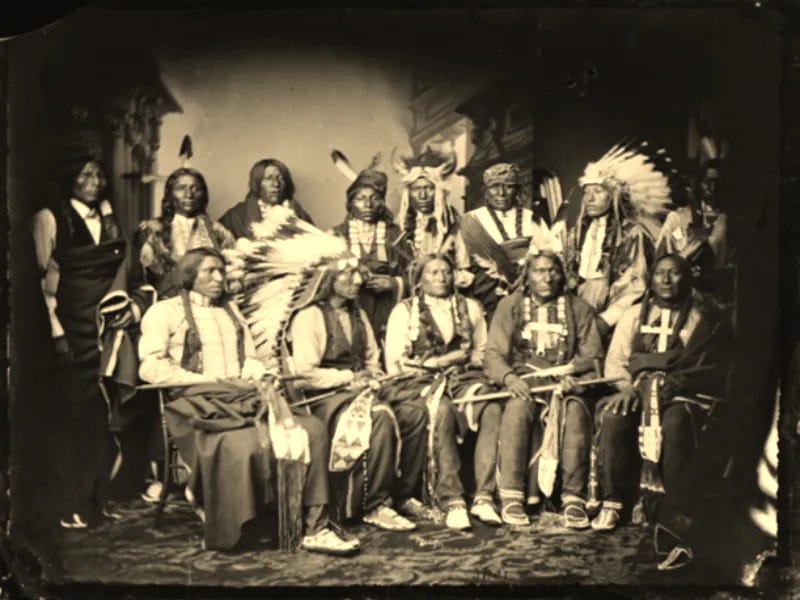
The hot springs in downtown Palm Springs were their sacred gathering and healing place. I love that fact. The strip is pretty awful with cheesy boutiques, souvenir shops, bad art galleries and subpar restaurants. It’s a lot better than it used to be, but still, not my scene. To think that it was once sacred ground! Ugh.
So the gas station.
Turns out this isn’t their first. The Agua Caliente already operate two, one in Rancho Mirage and another in Palm Springs. And these aren’t your average petrol stations. The Rancho Mirage spot has 24 pumps, a drive-through coffee shop and slot machines. Only in America. Or perhaps only in Palm Springs.
But petrol and poker are just the beginning. The tribe runs casinos, hotels, golf facilities, spas, and cultural institutions. They collectively own more land in Palm Springs than anyone else!
Then my rabbit hole led me to something called Section 14. Sounds like a classified government experiment, like Area 51.
Section 14 was a square mile of tribal land right in the middle of Palm Springs, where the working-class community settled. These were the people who cooked burgers, cleaned pools, and kept the whole glamorous desert fantasy going. Racial segregation meant these people couldn’t live in many other parts of town, so they made their homes there.
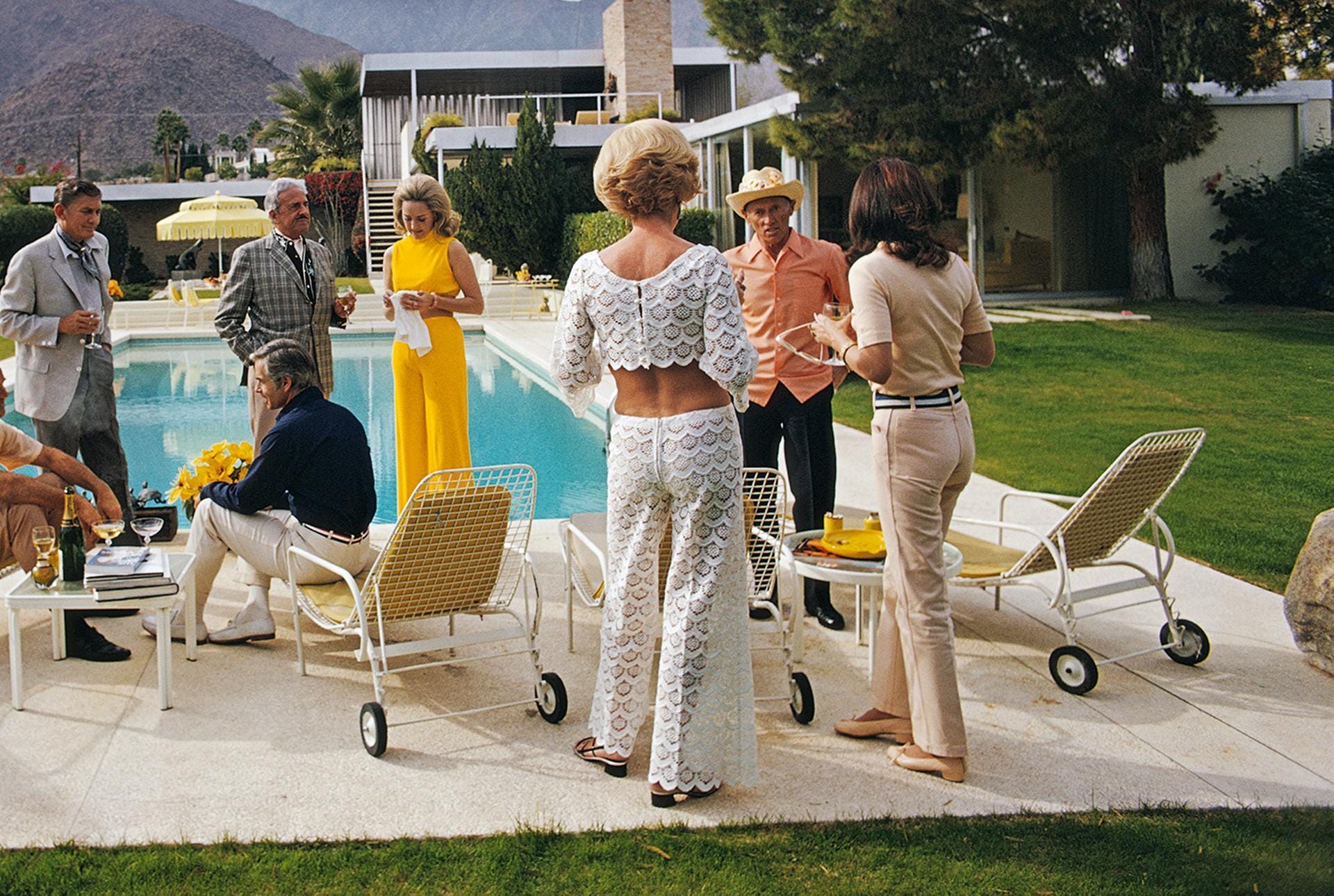
Then Palm Springs became fashionable. The Rat Pack, Marilyn Monroe, Dinah Shore, Bob Hope … fabulous homes, glam swimming pools, martinis at noon. Developers wanted the land.
And so, during the mid 20th century, houses were demolished and burned. An investigation by the California attorney general’s office in 1968 described the campaign as a “city-engineered holocaust.” Gulp.
The story is complicated, of course. The Agua Caliente themselves had been fighting for control of their ancestral land, and the clearances involved major players. There were plenty of hands in this mess.
Palm Springs eventually apologized and, in 2024, approved a $5.9 million settlement for former Section 14 residents and their descendants. Better late than never, I suppose.
I suppose every place has its secrets. Some are just buried beneath particularly attractive landscaping. I just moved to Palm Springs a few months ago, and I’m still figuring the place out. It can feel like a sun-bleached stage set with people who seem to have retired from something mysterious — or something tedious.
I still don’t know whether their gas will be any cheaper.
And I hope I didn’t bore you to sleep.
Next time, I’ll write about cults.
Promise.
Def not ant colonies.
I certainly wasn't bored! You started with a gas station and somehow ended up uncovering a whole chapter of Palm Springs history that most tourists probably never hear about. The contrast between the sacred springs and what happened in Section 14 is quite something. And now I'm curious about those cults you promised. Please, no ant colonies! 😂
Dear Sylvie,
What I enjoyed most wasn't the gas station or even the rabbit hole. It was the way you peeled back the postcard and showed the older layers underneath. Sacred springs, casino lights, movie-star Palm Springs, and Section 14. Different stories standing on the same patch of desert, each one leaving footprints for the next.
I also appreciated that you took the time to honor the people who were there first. Too often we admire the scenery and forget the stories that came before the postcards, resorts, golf courses, and neon lights. I enjoyed learning about the Cahuilla and seeing those deeper layers of Palm Springs beneath the modern surface.
The best part is that you never seem to go looking for history. History keeps tripping over you at three in the morning and dragging you down another fascinating side trail. By the end, I found myself just as curious about the place as you were.
And now I suppose every time I see a gas station, I'll wonder what forgotten story is buried underneath it.
Much Luv,
Steve
The desert keeps its secrets in plain sight; all it asks is that someone stop long enough to listen.🌵✨